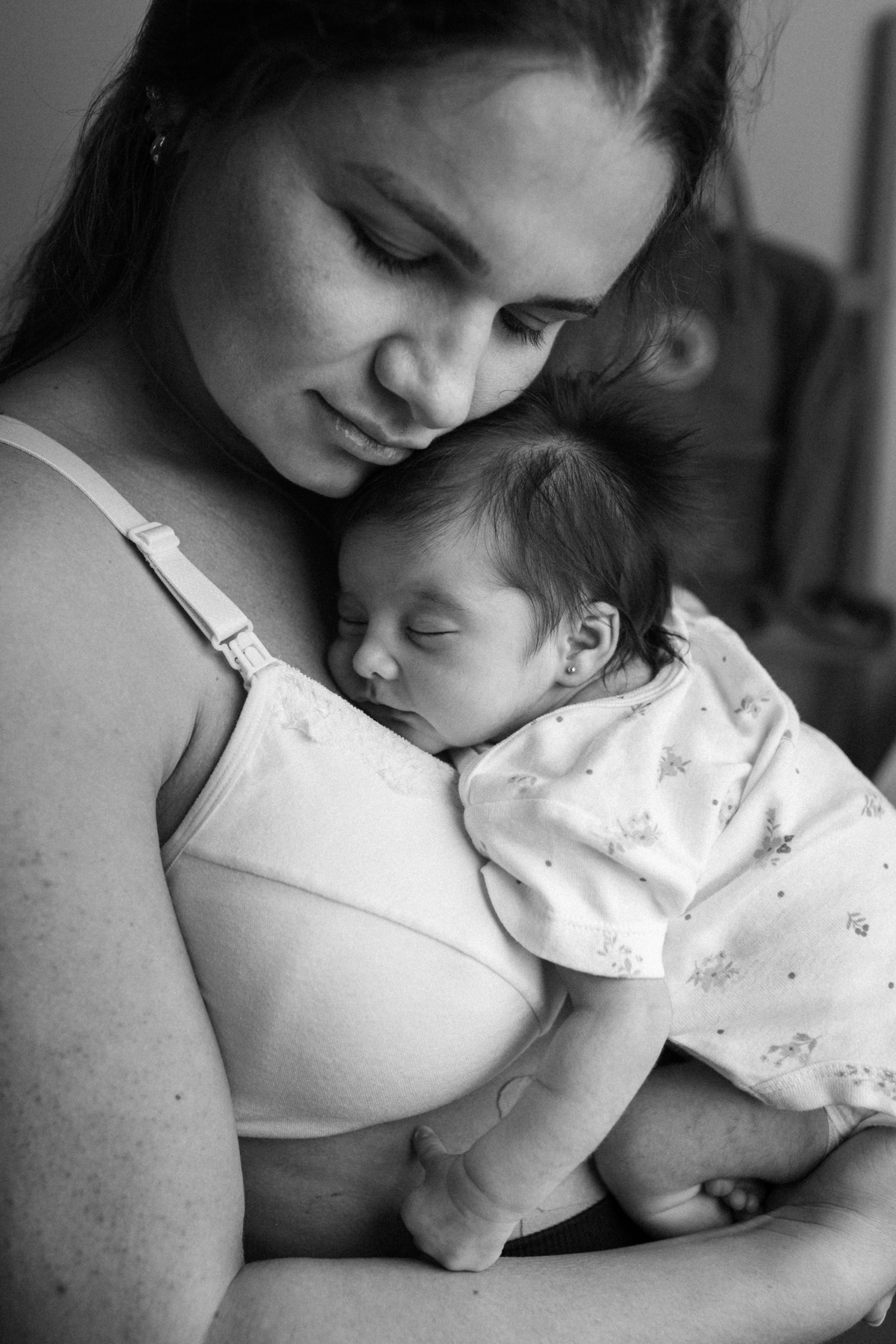
Essential self-care practices to support your physical and emotional healing after birth.
Understanding the Fourth Trimester
The first 12 weeks after birth, often called the "fourth trimester," is a time of profound physical and emotional adjustment. Your body has just accomplished something incredible, and it needs time, rest, and care to heal.
Physical Recovery Timeline
Week 1-2: The Immediate Postpartum Period
- Lochia: Postpartum bleeding is heaviest now, like a heavy period
- Afterpains: Uterine cramping, especially during breastfeeding
- Perineal Care: Use peri bottles, ice packs, and sitz baths
- Breast Engorgement: Milk comes in around day 3-5 — see our breastfeeding guide
Week 3-6: Gradual Healing
- Bleeding decreases and lightens in color
- Energy slowly begins to return
- Cesarean incision healing continues — read about cesarean recovery
- Postpartum checkup typically scheduled around week 6
Essential Recovery Tips
1. Rest is Not Optional
Sleep when the baby sleeps is not just a saying — it is essential advice. Your body heals during rest, and sleep deprivation can worsen postpartum mood issues.
2. Accept All the Help
Now is not the time to be a superhero. Say yes to:
- Meal deliveries
- Household help
- Baby-watching so you can shower or nap
- Emotional support from friends and family
3. Nourish Your Body
- Eat protein-rich foods for healing
- Stay hydrated, especially if breastfeeding
- Consider collagen-rich bone broth
- Do not skip meals — set reminders if needed
- Check our pregnancy and postpartum nutrition guide
4. Gentle Movement
Once cleared by your provider (usually 6 weeks for vaginal birth, 8 weeks for cesarean):
- Start with gentle walks
- Practice pelvic floor exercises
- Gradually increase activity based on how you feel
- Avoid high-impact exercise until cleared
Emotional Recovery
Baby blues affecting up to 80% of new mothers are normal in the first two weeks. However, if you experience persistent sadness, anxiety, or difficulty bonding with your baby beyond two weeks, please reach out for help. Read our guide on understanding and preventing postpartum depression.
Signs to Watch For:
- Persistent crying or sadness
- Difficulty sleeping even when baby sleeps
- Loss of interest in the baby
- Thoughts of harming yourself or your baby
Remember: Asking for help is a sign of strength, not weakness. Your doula is here to support you through every step of this journey. Learn about our postpartum doula services or contact us to schedule a consultation.